Community and Mathematics


A full week of family time with stories, games, and math activities in English and Spanish for families with students in K-8.

You can visit the County Math Week page here.


A Taste of Week of Math


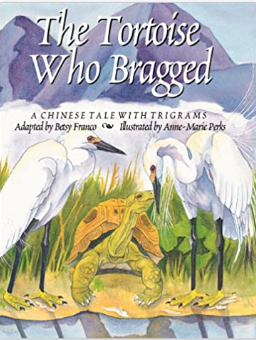
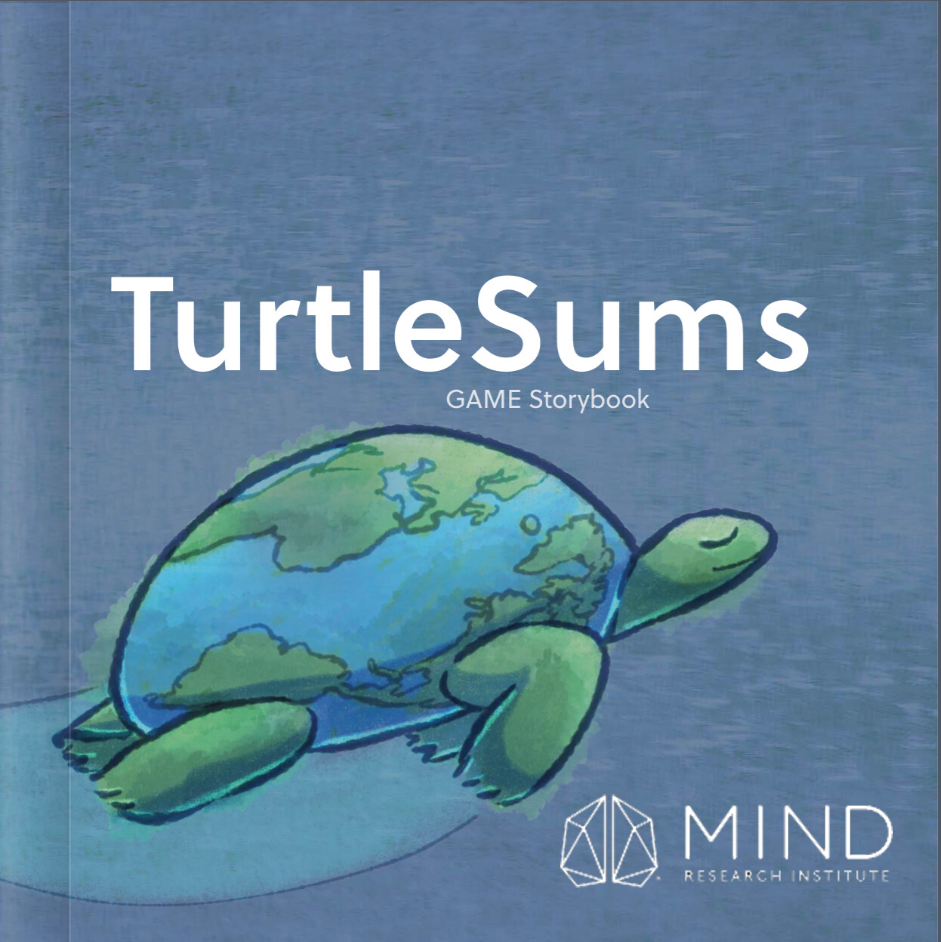
Turtle Sums is a story and a game inspired by an ancient story from China. Open the book and help make the magic turtle happy. You and your family and friends are invited to play the magical story of Turtle Sums.   

Turtle Sums es una historia y un juego inspirado en una antigua leyenda de China. Abre el libro y ayuda a hacer feliz a la tortuga mágica. Usted y su familia y amigos están invitados a jugar la historia mágica de Turtle Sums.

You can access the book below:

TurtleSums: GAME Storybook - ENGLISH
TurtleSums: GAME Storybook - SPANISH

What is a Math Walk? 

Math Walking gives individuals – students, teachers, families – an opportunity to go out and look for math, to find math everywhere. A math walk is an invitation to every person to share their math story about the spaces and activities they care about. Keeping true to the spirit of exploration, math walks foster positive math identities in individuals who may not see themselves as a math person. Math walks grow math mindsets.  

Who can lead a Math Walk? 

Absolutely any individual, group, or organizations interested in exploring the world, can explore the world through a Math Walk.  

Where can a Math Walk happen? 

Math Walks can take place anywhere, in your backyard, neighborhood, town, school, grocery store. A Math Walk can be planned, or it can happen spontaneously.

When can a Math Walk happen? 

Math Walks celebrate the mathematics in the world and can be used in different ways.

  • Fun with family and friends.
  • Day trip.
  • Classroom activities around the school.
  • Extended learning after school.
  • Field trips.
  • Project or homework.

Create a Math Walk STOP

 STEP 1:                 
  Notice – Observe and Discover
  1. Spend time observing. If the object/space is familiar to you, look for things you had not noticed before.  

  2. Ask, “What do you notice?” Everyone gets to share what they notice. Try to record the observations.

 STEP 2:   

  Wonder – Question

  1. Ask, “What do you wonder based on what you noticed?"

  2. Be specific. Make sure the questions are specific, based on the object/space, versus a general question. If needed, ask, “Can you be more specific?” 

  3. Do not force math connections.

  4. Do not judge.

  5. Be open to different questions.

 STEP 3:  

  Organize – Collect and Evaluate

  Identify the questions that: 

  1. Connect in some way to math and are interesting (something unexpected). 

  2. Allow the most people to engage without a lot of prior knowledge.  

  3. Are based on the observations. 

  4. Record the selected questions.  

  5. Work together or individually to find solutions to one or all of the questions.

Design a Math Walk 

 
 STEP 1:         
Select the number of stops on the Math Walk (3 STOPs recommended).

 
 STEP 2:

Create a Math Walk STOP for each space/object.
 STEP 3:

 
Debrief. Share your favorite question, solution method, space/object, etc. Share what you learned. Share recommendations for the next Math Walk. 


 Optional Design Features

  1. Identify the format of your Math Walk. Will you use smaller teams and allow them to select their space/object? Will you require photographs or provide photographs? 

  2. Identify the strengths of your walking team and form your plan.  

  3. Write some scripts.  

  4. Decide on other features that will make your Math Walk unique and exciting.