Awareness Spotlights

December 2025

Seasonal Affective Disorder (SAD) Awareness Month
Seasonal Affective Disorder (SAD) Awareness MonthSeasonal Affective Disorder (SAD) Awareness Month, observed each December, shines a light on a severe and often misunderstood form of depression that affects millions of people annually. Unlike the typical " winter blues," SAD is a clinical condition triggered by seasonal changes, most commonly during the fall and winter months when daylight hours are shorter. Symptoms include persistent sadness, fatigue, sleep disturbances, difficulty concentrating, and changes in appetite or weight. While anyone can be affected, women and individuals living in northern regions are at higher risk. The condition is believed to be linked to circadian rhythm disruptions and serotonin and melatonin imbalances due to reduced sunlight exposure. Raising awareness helps reduce stigma and encourages those affected to seek support through light therapy, counseling, medication, or lifestyle changes.

Participating in SAD Awareness Month can be as simple as checking in on loved ones, advocating for mental health resources in your community, or making personal changes like increasing exposure to natural light, maintaining a regular sleep schedule, and staying physically active. For educators and school communities, this month offers a timely reminder to recognize signs of seasonal depression in students and staff, especially as mental health challenges continue to affect youth in underserved communities. This aligns with the Riverside County Office of Education's Mental Health initiative, emphasizing equitable access to timely and effective mental health care. Whether you're a parent, teacher, or community member, acknowledging and addressing SAD is a meaningful step toward fostering emotional well-being and resilience year-round.

Events in Southern California: Please fill out the Awareness Suggestions form at the bottom of the page if you know of any related events.

Resources: Life with Seasonal Affective Disorder (SAD) - Mental Health America


Learn a Foreign Language Month  
Learn A Foreign Language MonthLearn a Foreign Language Month, celebrated each December, is a powerful reminder of multilingualism’s cognitive, cultural, and economic benefits in an increasingly interconnected world. Learning a second language enhances memory, problem-solving skills, and even decision-making abilities while fostering empathy and cultural awareness. This month is an invitation for the general public to explore new perspectives and connect more deeply with the diverse communities around them. In places like Riverside County and the broader Inland Empire, where over 40% of residents speak a language other than English at home, embracing multilingualism is not just enriching, it’s essential for building inclusive communities and meaningful relationships. Whether you’re a student, professional, or retiree, learning a new language opens doors to global understanding and personal growth.

Participating in Learn a Foreign Language Month can be as simple as downloading a language app, joining a local language exchange group, or watching films in another language with subtitles. For families, it’s a great time to explore heritage languages or introduce children to new cultures through books and music. Educators and community leaders can use this month to promote language programs and celebrate linguistic diversity in schools and neighborhoods. This aligns with the Riverside County Office of Education’s Competitive Edge initiative, emphasizing cultural appreciation and equitable access to opportunity. By learning a new language, individuals gain a valuable skill and contribute to a more inclusive and globally aware society, right here in one of the most linguistically rich regions in California.

Events in Southern California: Please fill out the Awareness Suggestions form at the bottom of the page if you know of any related events.

Resources: The Benefits of Learning Languages - Language Connects Foundation, Why Students Should Learn a Second Language — 7 Benefits.


Universal Human Rights Month (Month of December)
Universal Human Rights MonthUniversal Human Rights Month, observed every December, commemorates the adoption of the Universal Declaration of Human Rights by the United Nations in 1948. This month serves as a global reminder that everyone, regardless of race, gender, nationality, or background, is entitled to fundamental rights such as dignity, freedom, and equality. For the general public, it’s an opportunity to reflect on the importance of these rights in everyday life and to recognize the ongoing struggles many communities face in securing them. In diverse regions like Riverside County and the Inland Empire, where cultural, linguistic, and socioeconomic diversity is a defining strength, Human Rights Month encourages residents to celebrate that diversity while advocating for fairness and justice in their communities.

Participating in Universal Human Rights Month can be as simple as learning about the Universal Declaration of Human Rights, supporting local organizations that promote equity, or engaging in conversations about justice and inclusion. Schools, libraries, and community centers often host events or share educational materials that help people of all ages understand their rights and responsibilities. This observance also aligns with the Riverside County Office of Education’s Competitive Edge and Foster Youth Success initiatives, emphasizing equitable access to education and support for vulnerable populations. By taking action, whether through advocacy, education, or community service, individuals can help build a more inclusive society where everyone has the opportunity to thrive.
 

Events in Southern California: Please fill out the Awareness Suggestions form at the bottom of the page if you know of any related events.

Resources: Human Rights Education and Training Materials and Resources, The Human Rights Education Series.


Inclusive Schools Week (December 5th through 9th). 
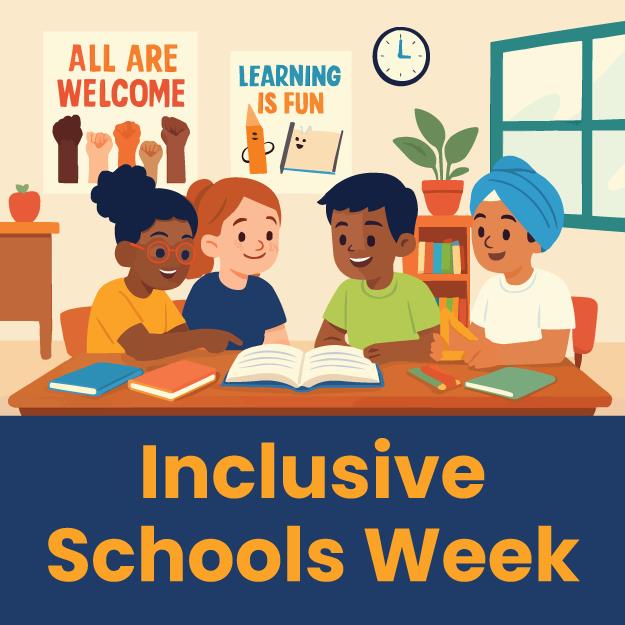
Inclusive Schools WeekInclusive Schools Week 2025, observed during the first full week of December, is a global celebration of schools' progress in creating welcoming, equitable, and supportive learning environments for all students. This year's theme, "Children First," draws inspiration from the Maasai greeting Casserian Engeri, which translates to "And how are the children?", a powerful reminder that children's well-being reflects the community's health. The week encourages schools, families, and communities to reflect on how inclusive their environments are, especially for students who may be marginalized due to disability, language, socioeconomic status, or cultural background. While rooted in education, the message resonates far beyond the classroom: Inclusion is a shared responsibility that strengthens society.

Participation in Inclusive Schools Week can take many forms, from hosting school-wide activities celebrating diversity to engaging in community conversations about equity and access. Individuals can take action by learning about inclusive practices, advocating for accessible public spaces, or simply listening to the voices of those who often go unheard. This observance aligns closely with the Riverside County Office of Education's Competitive Edge initiative, which promotes cultural appreciation and equitable access to opportunity, and the Foster Youth Success initiative, which supports students who often face systemic barriers to inclusion. Whether you're an educator, parent, student, or community member, Inclusive Schools Week is a chance to recommit to the idea that every child, regardless of background, deserves to feel seen, supported, and valued.
 

Events in Southern California: Please fill out the Awareness Suggestions form at the bottom of the page if you know of any related events.

Resources: Inclusive Schools Week, Inclusion in education: what you need to know | UNESCO.


Rosa Parks Day (December 1)
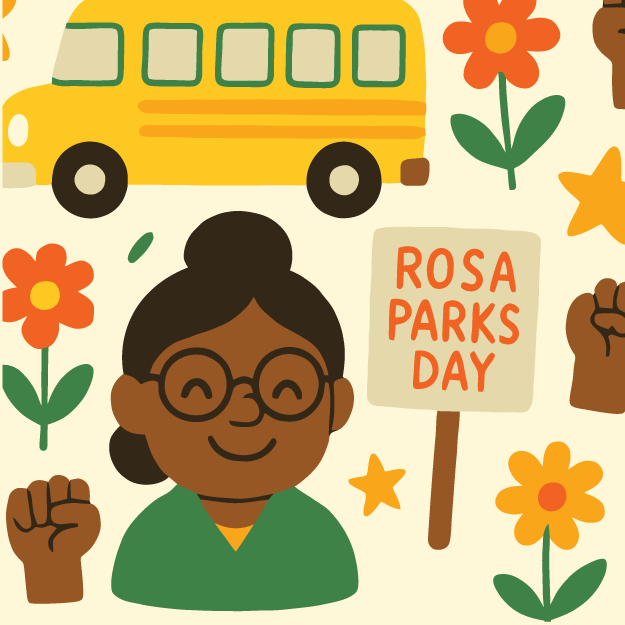
Rosa Parks DayHer courageous act of civil disobedience, refusal to give up her seat on the bus,
set in motion the Montgomery Bus Boycott and the Supreme Court decision in Browder v. Gayle (1956) that ruled that Montgomery's bus segregation laws were unconstitutional. Ms. Parks was fired from her job, and she faced retaliation from many people for her actions. She stayed in Montgomery until the boycott forced an end to all discriminatory practices on the bus lines. In 1980, Rosa Parks was the first woman to receive the Martin Luther King, Jr., Nonviolent Peace Prize.

Events in Southern California: Please fill out the Awareness Suggestions form at the bottom of the page if you know of any related events.

Resources: Beyond the Bus: Rosa Parks' Lifelong Struggle for Justice, Rosa Parks Collection: Telling Her Story at the Library of Congress, An Act of Courage, The Arrest Records of Rosa Parks


Founding of The First Gay Rights Group In the US (December 10, 1924)
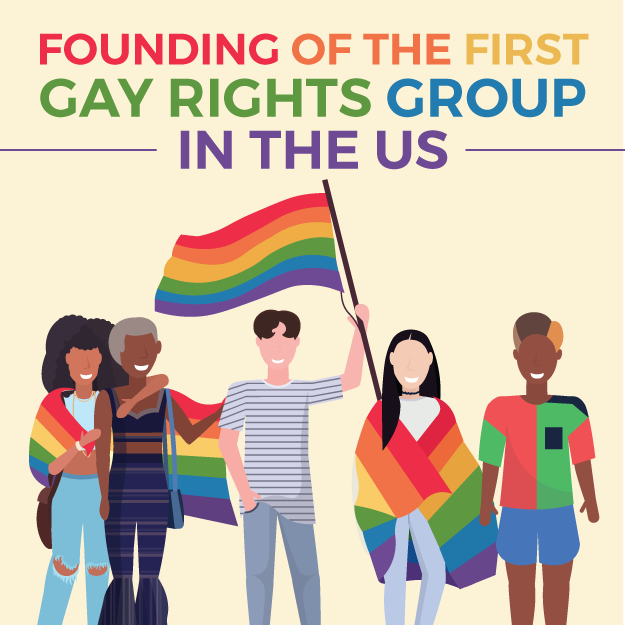
Founding of the First Gay Rights Group in the USThe Society for Human Rights was founded by Henry Gerber in 1924 and is recognized as the first gay rights organization in America. Inspired by Dr. Magnus Hirschfeld’s Scientific-Humanitarian Committee in Germany, which aimed to overturn anti-homosexual laws, Gerber established the Society for Human Rights in Chicago. It became the first American organization advocating for homosexual rights and laid the groundwork for the modern gay liberation movement. The group published “Friendship and Freedom,” the country’s first documented gay civil rights publication.

Gerber faced significant challenges, as medical and psychological professionals were hesitant to support the cause due to concerns about their reputations, and many gay individuals were reluctant to join. The group's advocacy eventually created tension with the relatives of its few members, some of whom had families. After a series of arrests in the summer of 1925, the Society for Human Rights disbanded.

Despite this setback, its members went on to inform other gay rights organizations nationwide, including the Mattachine Society, founded in Los Angeles in 1950. Gerber later moved to New York City, where he continued to advocate for gay rights until he died in Washington, DC, in 1972. He witnessed Illinois become the first state to repeal its sodomy laws in 1962. In 1992, Gerber was posthumously inducted into the Chicago Gay and Lesbian Hall of Fame, and his apartment on North Crilly Court has become a landmark in Chicago.

Events in Southern California: Please fill out the Awareness Suggestions form at the bottom of the page if you know of any related events.

Resources: First Gay Rights Group in the US (1924), Milestones in the American Gay Rights Movement.


December’s This Day in History (#tdih)

December 1, 1988 – Benazir Bhutto became the first woman to head a Muslim-majority country as Prime Minister of Pakistan, a moment often referenced in global pop culture and feminist music movements.

December 2, 1983 – Michael Jackson’s “Thriller” music video premiered on MTV, revolutionizing the music video industry and becoming the most iconic video ever.

December 10, 1948 – The United Nations adopted the Universal Declaration of Human Rights.

December 18, 1966 – Dr. Seuss’s How the Grinch Stole Christmas! Aired for the first time on CBS, it became a holiday staple in pop culture.

December 26, 1908 – Jack Johnson became the first Black world heavyweight boxing champion.
National Homeless Youth Awareness Month

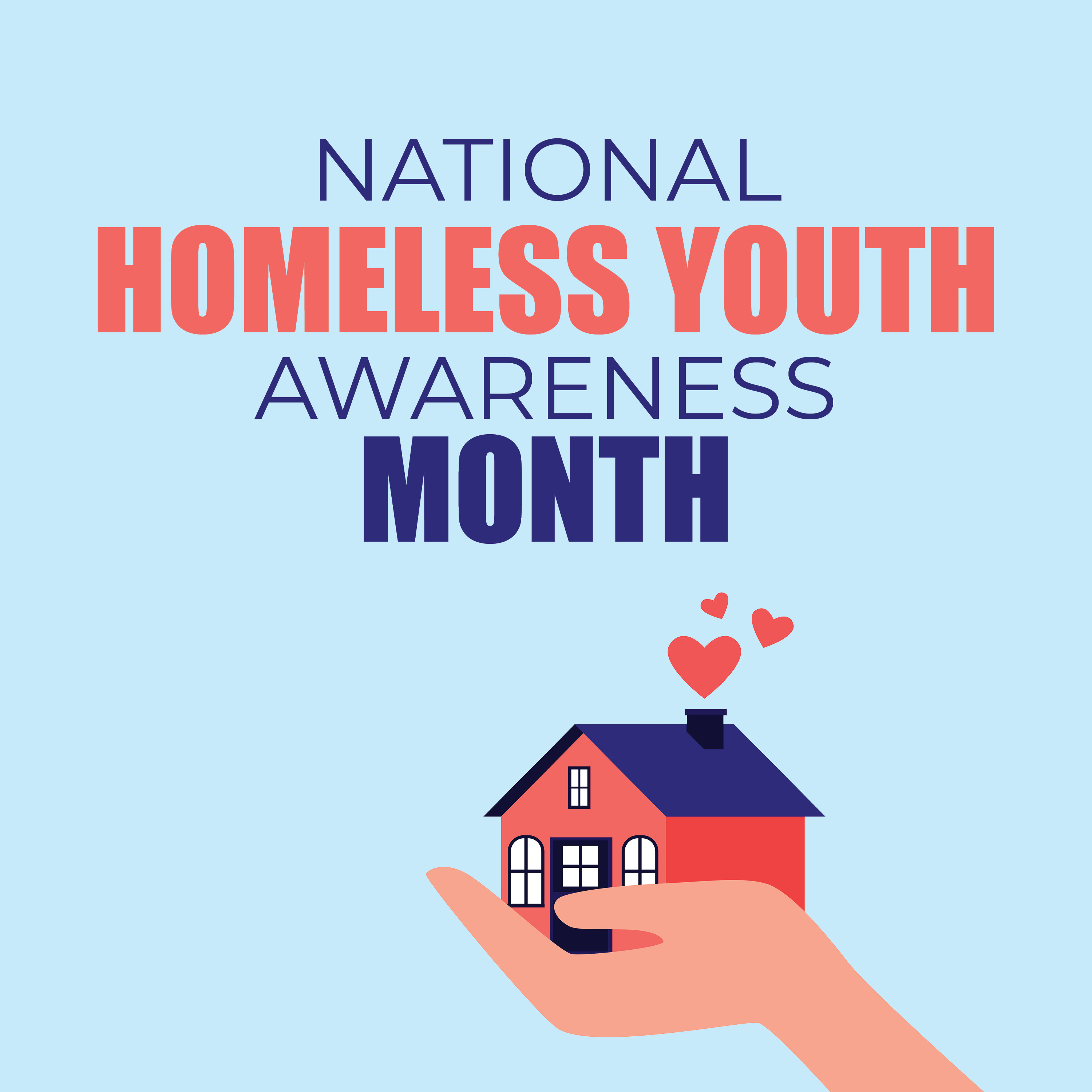
National Homeless Youth Awareness MonthNational Homeless Youth Awareness Month, recognized every November, serves as a powerful reminder of the more than 2.5 million youth in the United States who experience homelessness each year. These young people often face the loss of shelter and the erosion of safety, stability, and access to education. Many are victims of trauma, navigating life without consistent adult support, and are at increased risk for mental health challenges, substance abuse, and exploitation. The month is a call to action for communities, educators, policymakers, and the general public to acknowledge the systemic issues that lead to youth homelessness and to work collaboratively toward solutions.
This month is an opportunity for educators and those in the public sector to reflect on how schools can be safe havens for vulnerable youth. Programs like the Riverside County Office of Education's Foster Youth Success initiative align with this mission by providing targeted support to students in foster care, many of whom are at risk of homelessness. But the responsibility doesn't rest solely on schools. Anyone can participate by volunteering at local shelters, donating essential items, advocating for youth-friendly housing policies, or simply educating themselves and others about the realities of youth homelessness. The California Homeless Education Technical Assistance Center (HETAC) even offers a calendar of daily activities and sample resolutions to help individuals and organizations get involved.

National Homeless Youth Awareness Month is about visibility, empathy, and action. Whether you're a teacher, parent, student, or community member, your awareness and involvement can help shift the narrative from survival to stability and, eventually, to success for thousands of young people nationwide.

Events in Southern California: Illumination Foundation's "Stories of Strength" Celebration

Resources: The National Child Traumatic Stress Network.


National Career Development Month

National Career Development Month GraphicNational Career Development Month, observed every November, is a nationwide initiative encouraging individuals of all ages to reflect on their career goals, explore new opportunities, and build the skills necessary for long-term success. Established by the National Career Development Association (NCDA), this month is not just for students or job seekers; it's a time for everyone, from seasoned professionals to those just entering the workforce, to engage in meaningful self-assessment and planning. With the modern job market evolving rapidly due to technology, globalization, and shifting economic demands, career development has become a lifelong process, not a one-time decision.
For educators and community leaders, this month offers a chance to connect students with real-world experiences through job shadowing, career fairs, resume workshops, and mentorship programs. However, the broader public can also participate by setting personal career goals, updating their resumes, attending free webinars, or even starting a vision board to map out their aspirations. These small steps can lead to greater self-awareness and confidence, especially for those navigating career transitions or re-entering the workforce. National Career Development Month also aligns with initiatives like Riverside County Office of Education's Competitive Edge, which promotes equitable access to career pathways and cultural appreciation in the workplace.

Whether you're a student, parent, educator, or working professional, this month reminds you that career development is more than just landing a job; it's about building a fulfilling, purpose-driven life. By taking time to reflect, plan, and act, individuals can better align their passions with their professions and contribute meaningfully to their communities.

Events in Sothern California: Please fill out the Awareness Suggestions form at the bottom of the page if you know of any related events.

Resources: November is Career Development Month: What to Do and Why November? - NCDA, NATIONAL CAREER DEVELOPMENT MONTH | November, 10 Ideas for National Career Development Month - Confetti.


National Adoption Month

National Adoption Awareness MonthNational Adoption Month, observed each November, is a powerful reminder of the thousands of children and youth in foster care who are waiting for permanent, loving families. With over 120,000 children in the U.S. foster system legally eligible for adoption, this month highlights both the challenges and the triumphs of adoption, particularly from foster care. It’s a time to celebrate families who have grown through adoption, honor the resilience of adopted youth, and raise awareness about the ongoing need for adoptive homes. It’s also an opportunity for the general public to understand the adoption process better, support adoptive families, and advocate for systemic improvements that ensure every child can thrive in a stable, nurturing environment.
Participation in National Adoption Month can take many forms. Individuals can attend local adoption awareness events, share stories on social media to reduce stigma or volunteer with organizations that support foster and adoptive families. Even small actions such as donating to a foster youth scholarship fund, mentoring a teen in care, or simply learning more about the needs of youth in the system can have a lasting impact. The Children’s Bureau and other national organizations offer toolkits and resources to help people get involved meaningfully.

This month also closely aligns with the Riverside County Office of Education’s Foster Youth Success initiative, which aims to improve educational and life outcomes for foster youth. Adoption, when done thoughtfully and with the child’s best interests at heart, can be a transformative part of that journey. By supporting permanency and stability, we help foster youth move from surviving to thriving academically, emotionally, and socially. National Adoption Month reminds us that every child deserves a family and that we all have a role in making that vision a reality.

Events in Southern California: Please fill out the Awareness Suggestions form at the bottom of the page if you know of any related events.

Resources: National Adoption Month: Raising Awareness and Building Families, 15 Ways to Celebrate National Adoption Month


Alzheimer’s Awareness Month

Alzeimer's Awareness Month GraphicAlzheimer's Awareness Month observed each November, is more than a campaign; it's a collective call to action. First designated by President Ronald Reagan in 1983, this month shines a light on the millions of individuals and families affected by Alzheimer's disease, the most common form of dementia. With over 6 million Americans currently living with Alzheimer's and numbers expected to rise dramatically, the need for awareness, early detection, and compassionate care has never been more urgent. This month encourages the public to learn the signs of cognitive decline, support caregivers, and advocate for continued research and funding. It also helps reduce the stigma surrounding memory loss and dementia, fostering a more inclusive and understanding society.
What makes Alzheimer's Awareness Month especially relevant today is its intersection with broader mental health conversations. The Riverside County Office of Education's Mental Health initiative emphasizes equitable access to care, and Alzheimer's, though often associated with aging, reminds us that mental health spans the entire lifespan. You don't need to be a medical professional to make a difference: wear purple to show support, share educational resources, volunteer at a memory care facility, or check in on an elderly neighbor or loved one. These small acts of awareness and kindness ripple outward, helping to build a more informed and compassionate community. For educators, caregivers, and students alike, this month is a reminder that brain health is everyone's responsibility and that empathy, education, and early action can change lives.

Events in Southern California: Please fill out the Awareness Suggestions form at the bottom of the page if you know of any related events.

Resources: Understanding Alzheimer's Awareness Month - NeuroLaunch.com, Alzheimer's & Brain Awareness Month | Alzheimer's Association


American Education Week (November 17th - 21st) 

American Education WeekUnlike many awareness weeks or months focusing on a single issue, American Education Week broadly celebrates the entire educational ecosystem: students, teachers, families, and communities. It's a time to reflect on the foundational role education plays in shaping not only individual futures but also the health and progress of society. Initially launched in 1921 to address low literacy rates following World War I, the week now serves as a national recommitment to equitable, high-quality public education for all. It's not just about honoring schools; it is about recognizing education as a shared responsibility and a public good that benefits everyone, whether you're a parent, employer, neighbor, or student.
Participation can be as simple as writing a thank-you note to a teacher, attending a school board meeting, or reading with a child at home. For those looking to go deeper, American Education Week is a great time to advocate for literacy programs, volunteer in classrooms, or support initiatives like Riverside County Office of Education's Literacy by 5th Grade and Competitive Edge. These programs emphasize early reading proficiency and culturally responsive learning environments, two pillars of educational equity. Whether in the classroom or the community, this Week invites you to take action, however small, to ensure every learner has the tools and support they need to succeed.

Events in Southern California: Please fill out the Awareness Suggestions form at the bottom of the page if you know of any related events.

Resources: Twenty-Five Ideas for Celebrating American Education Week | Education World.


World Kindness Day (November 13th)

World Kindness Day (November 13)World Kindness Day, celebrated annually on November 13, is more than a feel-good observance; it’s a global movement rooted in the belief that small, intentional acts of kindness can transform communities and improve lives. Established in 1998 by the World Kindness Movement, the day encourages individuals, schools, and organizations to promote compassion, empathy, and unity across all walks of life. Kindness offers a powerful antidote in a world often marked by division and stress. Research shows that kind actions uplift others and improve the giver’s mental health by reducing stress and increasing feelings of happiness and connection. Whether holding a door open, writing a thank-you note, or simply listening without judgment, kindness fosters a sense of belonging that’s essential for individual and community well-being.
This message resonates deeply with the goals of the Riverside County Office of Education’s Mental Health initiative, which emphasizes equitable access to emotional support and well-being for all students. But World Kindness Day isn’t just for educators or students; it’s for everyone. You can participate by volunteering, checking in on a friend, forgiving someone, or practicing self-kindness through rest or reflection. These actions, while simple, create ripple effects that can shift the tone of a workplace, a classroom, or a neighborhood. In a time when mental health challenges are rising, especially among youth, kindness becomes more than a virtue; it becomes a tool for healing and connection.

Events in Southern California: Please fill out the Awareness Suggestions form at the bottom of the page if you know of any related events.

Resources: World Kindness Day: Improving Mental Health Through Kindness, World Kindness Day | Mental Health & Life.


This Day in History (#tdih)

  • November 8, 1895 – X-rays Discovered. Wilhelm Röntgen discovered X-rays, revolutionizing medicine and diagnostics.
  • November 10, 1969 – Sesame Street Premieres. A revolutionary educational show that blended entertainment and learning, especially for underserved communities.
  • November 12, 2018 – Stan Lee Passes Away. The Marvel Comics legend died at 95, leaving a legacy of diverse superheroes and inclusive storytelling.
  • November 25, 1955 - Rosa Parks Refuses to Give Up Her Seat. While the Montgomery Bus Boycott began in December, Parks’ arrest occurred in late November, sparking a significant civil rights movement.
  • November 26, 2015 - Kobe Bryant Announces Retirement. The NBA icon and Southern California hero shared his farewell poem, “Dear Basketball,” marking the end of an era.
  • November 30, 1982 – Michael Jackson releases Thriller. The best-selling album in history, Thriller, revolutionized pop music and music videos.

 International Day of Nonviolence

International Non-Violence Day GraphicThe International Day of Nonviolence, observed on October 2, marks the birthday of Mohandas Karamchand Gandhi, world-renowned leader of India’s nonviolent independence movement and global symbol of peaceful resistance. Designated by the United Nations, this day honors Gandhi’s belief in truth, dignity, and nonviolent protest as a force for social and political change.
In schools, the day is a meaningful reminder of the power of dialogue, empathy, and active listening. Tied to the Competitive Edge Initiative, the International Day of Nonviolence encourages students to resolve conflict peacefully and understand their choices' impact in shaping inclusive communities. It also reinforces the importance of civic engagement and human rights education in today’s classrooms.

Whether through classroom discussions, art projects, or historical lessons, honoring this day allows students to reflect on how they can build communities rooted in compassion, courage, and cooperation.

Events in Southern California: Peace & Justice Student Summit – Claremont, “Words Not Weapons” Poetry Workshop – Riverside, Restorative Justice in Schools Webinar – Online.

Resources: United Nations: International Day of Nonviolence, Gandhi Legacy Project, RCOE: Competitive Edge Teaching Tools.


National Financial Planning Month

Financial Planning MonthNational Financial Planning Month, observed every October, serves as a vital reminder of the importance of financial literacy and proactive money management for individuals and families across the United States. While April is officially recognized as National Financial Literacy Month, October’s focus on financial planning complements this by encouraging people to assess their financial goals, create or revise budgets, and make informed decisions about saving, investing, and debt management. For educators, this month is a powerful opportunity to integrate real-world financial skills into the classroom, helping students understand the long-term impact of their financial choices. According to the National Financial Educators Council, financial education reduces stress, improves decision-making, and fosters economic stability.
National Financial Planning Month aligns directly with the Financial Literacy Initiative for communities like Riverside County, where many students face systemic financial challenges. This initiative recognizes that financial literacy can be a great equalizer, especially for students in underserved areas who are often targeted by predatory financial services like payday loans. By teaching students how to budget, understand credit, and plan for college or careers, educators can empower the next generation to live within their means and build lasting financial security. Participation can be as simple as hosting a classroom budgeting workshop, inviting a financial advisor to speak, or encouraging families to review their financial goals together. Even small steps, like setting up a savings account or using a budgeting app, can make a lasting impact.

Events in Southern California: Financial Literacy Workshops – Carolyn E. Wylie Center

Resources: ExtraCoBanks.


National Bullying Prevention Month

National Bullying Pervention MonthNational Bullying Prevention Month, observed every October since 2006, is a nationwide campaign that raises awareness about the profound and lasting impact of bullying on children, families, and communities. Spearheaded by organizations like PACER's National Bullying Prevention Center, the month promotes kindness, acceptance, and inclusion as powerful tools to combat bullying in all its forms, verbal, physical, social, or digital. According to the National Child Traumatic Stress Network, bullying can lead to serious mental health consequences, including anxiety, depression, school avoidance, and even suicidal ideation. These effects are not limited to the classroom; they ripple into homes, communities, and the broader social fabric.
National Bullying Prevention Month is a call to action for the general public. Whether you're a parent, student, educator, or community member, there are meaningful ways to participate. You can wear orange on Unity Day to show solidarity, host or attend community events, share resources on social media, or have open conversations about bullying with young people. These actions raise awareness and help create safer, more supportive environments for all children. For educators and advocates in Riverside County, this month aligns closely with the Mental Health and Foster Youth Success initiatives. Foster youth, in particular, are at higher risk of being bullied due to frequent school changes and social instability. Addressing bullying is critical to ensuring their emotional well-being and academic success.

Events in Southern California: Please fill out the Awareness Suggestions form at the bottom of the page if you know of any related events.

Resources: National Bullying Prevention Month – PACER Center, National Bullying Prevention Month | The National Child Traumatic.


Global Diversity Awareness Month

Global Diversity Awareness MonthGlobal Diversity Awareness Month, celebrated every October, invites individuals, schools, and communities to reflect on the richness of human cultures, identities, and experiences worldwide. This observance honors our unique backgrounds, like cultural traditions, languages, worldviews, and lived experiences. It encourages respectful dialogue, mutual understanding, and inclusivity.
This month directly aligns with the goals of the Competitive Edge Initiative, which aims to create environments that value access, opportunity, and appreciation of diversity. In education, cultural representation matters. Students feel validated, respected, and inspired when they see their identities reflected in the curriculum, staff, and leadership. When exposed to different perspectives, they build empathy, global awareness, and critical thinking.

Schools can honor Global Diversity Awareness Month through multicultural events, inclusive teaching strategies, guest speakers, and curriculum that amplifies historically marginalized voices. Celebrating diversity isn't about highlighting difference—it’s about recognizing shared humanity and fostering equity in every learning space.

Events in Southern California: Please fill out the Awareness Suggestions form at the bottom of the page if you know of any related events.

Resources: Global Diversity Awareness Month – The Diversity Movement.


Mental Illness Awareness Week, First Full Week of October

Mental Illness Awareness WeekMental Illness Awareness Week, observed annually during the first full week of October, is a national campaign focused on education, support, and reducing stigmatization of mental health conditions. Led by the National Alliance on Mental Illness (NAMI), this week shines a spotlight on the millions of people living with mental health disorders and emphasizes the importance of accessible care and open conversations.
Aligned with the Mental Health Initiative, this observance reminds educators, students, and families that mental health is an equity issue. Students of color and those in poverty often face systemic barriers to accessing support, and stigma can keep young people from reaching out for help. Mental Illness Awareness Week is an opportunity to normalize seeking mental health care, share resources, and foster supportive school environments.

Classroom discussions, student wellness campaigns, and partnerships with local providers are all ways schools can participate. The goal isn’t just awareness—it’s action. From recognizing early warning signs to creating inclusive spaces, small steps can make a big impact.

Events in Southern California: Please fill out the Awareness Suggestions form at the bottom of the page if you know of any related events.

Resources: National Alliance on Mental Illness (NAMI), Each Mind Matters – California Mental Health Movement, RCOE: Mental Health Initiative.


International Teachers’ Day, October 5

International Teacher's DayInternational Teachers’ Day, celebrated on October 5, honors the educators who serve as mentors, leaders, and role models in schools and communities around the world. This day is an opportunity to express gratitude for the essential work teachers do every day to create engaging, equitable, and supportive learning environments.
This celebration connects to the Competitive Edge Initiative by highlighting the role of culturally responsive teaching, inclusive classroom practices, and professional growth. Teachers who are valued and supported are better equipped to support students' academic and emotional success.


Events in Southern California: Please fill out the Awareness Suggestions form at the bottom of the page if you know of any related events.

Resources: International Teachers' Day – UNESCO.


October’s This Day in History (#tdih)

October 1, 1982 – Sony released Japan's first commercial compact disc (CD), revolutionizing how people listen to music.

October 24, 1945 – The United Nations is officially established, promoting peace, human rights, and international cooperation.

October 1, 1952 – Joseph Black Becomes the First Black Pitcher to Win a World Series Game.

October 15, 1966 – The Black Panther Party, founded in Oakland, California, advocates for civil rights and community self-defense.

October 18, 1968 – Bob Beamon sets a long jump world record at the Mexico City Olympics that stood for 23 years.

October 11, 1975 – "Saturday Night Live" premieres on NBC, becoming a cultural institution and launching the careers of countless comedians and actors.


National HBCU Week September 8-14, 2025

Historically Black Colleges & Universities Week GraphicNational Historically Black Colleges and Universities (HBCU) Week, the second week in September, raises awareness of the impact HBCUs have had in advancing educational access and equity for African American students and other underrepresented groups. These institutions have historically served as pathways to leadership, innovation, and cultural preservation.
Aligned with the Competitive Edge Initiative, HBCU Week is an opportunity to introduce students to postsecondary options that value cultural heritage, community, and academic excellence. Highlighting HBCUs in classrooms helps students visualize futures in higher education that are affirming and empowering.

Events in Southern California: Please fill out the Cultural Awareness Suggestions form at the bottom of the page if you know of any related events.
Resources: Sacramento State Black Honors College, HBCU Connect


Hispanic Heritage Month

National Hispanic Heritage MonthHispanic Heritage Month, observed from September 15 through October 15, honors the histories, cultures, and contributions of Hispanic and Latinx Americans. This celebration begins on the anniversary of independence for several Latin American countries and continues through the middle of October to encompass the rich diversity and impact of the Hispanic community in the United States.
Aligned with the Competitive Edge Initiative, Hispanic Heritage Month encourages appreciation of cultural diversity and supports efforts to create inclusive educational spaces. Recognizing the stories and achievements of Hispanic individuals in schools helps affirm students’ identities and fosters a sense of pride, belonging, and inspiration.

Educators and community leaders are encouraged to highlight the legacy of Hispanic changemakers, explore multilingual literature, and create opportunities for students to connect with their cultural roots.

Events in Southern California: Hispanic Heritage Family Day – LA Plaza de Cultura y Artes, Latinx Author Book Fair – San Bernardino

Resources: National Hispanic Heritage Month – NEA Toolkit, Teaching Tolerance – Latinx Heritage Resources


National Nutrition Week, September 1-7, 2025

National Nutrition WeekNational Nutrition Week is observed during the first week of September and focuses on promoting healthy eating habits as the foundation for physical and cognitive well-being. Good nutrition is essential for learning, mental health, and emotional regulation—especially in children and youth.
This observance supports the Mental Health and Foster Youth Success Initiatives. For students in foster care or experiencing poverty, school meals are often the most consistent source of nutrition. Ensuring access to balanced, healthy food can make a meaningful difference in their development and academic outcomes.

Schools can participate in this week by integrating nutrition education into lessons, offering healthy school meals, and involving students in gardening or cooking projects that make healthy eating tangible and fun.

Events in Southern California: Please fill out the Cultural Awareness Suggestions form at the bottom of the page if you know of any related events.

Resources: USDA MyPlate, Feeding America – School Meal Resources, California Farm to School Network.


National Arts in Education Week, September 14-20, 2025

National Arts in Education Week GraphicNational Arts in Education Week is celebrated during the second week of September and shines a spotlight on the importance of the arts in developing creative, confident, and culturally aware students. Whether it’s painting, dancing, acting, or composing, artistic expression plays a critical role in student development.
The arts enhance literacy, promote social-emotional growth, and create opportunities for student voice. This celebration aligns with both the Literacy by 5th Grade and Competitive Edge Initiatives, which emphasize the importance of representation, innovation, and whole-child education.
By integrating arts into classrooms, educators can help students explore identity, develop empathy, and build communication skills that go far beyond the stage or canvas.

Events in Southern California: Please fill out the Cultural Awareness Suggestions form at the bottom of the page if you know of any related events.

Resources: Arts Education Partnership, National Endowment for the Arts, California Arts Council – Arts Ed Resources.


International Literacy Day, September 8

International Literacy DayInternational Literacy Day, held on September 8, underscores the importance of literacy as a fundamental human right. Around the world and within our own communities, millions of children and adults still struggle with basic reading and writing skills, which limit their ability to learn, work, and fully participate in society.
RCOE’s literacy by 5th grade initiative is calling attention to the importance of early and ongoing literacy development. Schools, families, and libraries can work together to promote a love of reading and ensure every child has access to books and language-rich environments.


Events in Southern California: Get Your Library Card!

ResourcesInternational Literacy Day – UNESCO.


September's This Day in History (#tdih)

September 1, 1972 - Bobby Fischer defeated Boris Spassky in Iceland to become the first American world chess champion. 

September 1, 2008 - Malala Yousafzai, at the age of 11 years old, performed her first speech for girls’ rights to education, titled, “How Dare the Taliban Take Away My Basic Right to Education?” This was the beginning of a long journey for Yousafzai as she continued to fight for her and other women’s rights in Pakistan ever since.

September 12, 2013 - NASA’s Voyager 1 became the first human-made object to enter interstellar space. This was a massive feat in human history, as it was the first push towards exploring parts of the universe outside of our solar system.

September 24, 1957 - President Eisenhower sends troops to enforce school integration in Little Rock, Arkansas. On this day, the Little Rock Nine were able to enter Little Rock Central High School as some of the first African American students to go to an all-white high school in the United States.

September 26, 1969 - The Beatles released Abbey Road, their final studio album and one of the most celebrated albums in music history, selling over 30,000,000 copies worldwide!

National Wellness Month

National Wellness Month AugustNational Wellness Month, observed every August, is more than a health campaign; it’s a meaningful reminder that wellness is a lifelong journey, not a one-time goal. In a culture that often glorifies being busy, this month encourages us to slow down and reflect on how we care for ourselves and each other. Wellness isn’t just about physical health; it includes emotional balance, mental clarity, social connection, and financial stability. Whether walking during lunch, setting boundaries around work, or simply checking in with a friend, small self-care acts can significantly change how we feel and function.
This message is essential in the world of education, where the well-being of students and staff directly impacts learning and growth. Educators are often the emotional anchors of their classrooms, and students bring with them the weight of their challenges. When schools embrace wellness as a shared value, promoting mindfulness, encouraging movement, supporting mental health, and fostering inclusive environments, they create spaces where everyone can thrive. But the impact goes beyond the classroom. When families, communities, and workplaces also prioritize wellness, we build a culture that values people over productivity and resilience over perfection.


National Civility Month

National Civility Month AugustNational Civility Month, celebrated each August, was established in 2014 by the International Institute for Civil Leadership to promote kindness, respect, and thoughtful communication in everyday life. Rooted in the Latin word civitas, meaning “the art and science of citizenship,” civility has long been associated with the values of empathy, honor, and social responsibility. This month serves as a reminder that civility is not just about politeness; it’s about how we engage with others, especially those different from us. It challenges us to listen actively, speak thoughtfully, and act compassionately in our homes, workplaces, and communities.
In education, these values are deeply intertwined with the goals of the Competitive Edge Initiative, which focuses on expanding access and opportunity while fostering appreciation for diverse cultures, languages, and identities. When educators model civility, they create inclusive environments where students feel safe to express themselves and learn from one another. Civility in schools helps reduce conflict, build trust, and support academic and emotional growth. For students, learning to engage respectfully with peers from different backgrounds is a critical life skill that prepares them to thrive in a diverse and interconnected world.

Events in Southern California: Please fill out the Awareness Spotlights Suggestions form at the bottom of the page if you know of any related events.

Resources: National Today, National Civility Month. 


National Immunization Awareness Month

National Immunization Awareness Month AugustNational Immunization Awareness Month (NIAM), observed every August, is a nationwide effort to highlight the importance of routine vaccinations for people of all ages. Established to promote public health and prevent the spread of vaccine-preventable diseases, NIAM is a reminder that immunizations are one of the most effective tools to protect ourselves and our communities. For school communities, NIAM is a call to action. Schools are central hubs for learning and social development, and environments where contagious diseases can spread quickly if proper precautions aren’t taken. Promoting immunization helps protect not only individual students but also those who are medically vulnerable or unable to be vaccinated. Community members can also participate in local health fairs, donate to organizations providing vaccines globally, or start conversations that help dispel myths and promote science-based understanding. Every action, big or small, contributes to a healthier, more informed society.
Events in Southern California: San Bernardino County Public Health Immunization Clinics, Riverside University Health System – Upcoming Vaccine Clinics, Loma Linda University Children’s Health – Event Calendar, MyTurn Vaccine Locator – California, Free & Charitable Clinics – Inland Empire

ResourcesNational Immunization Awareness Month Resource Round-Up.


National Simplify Your Life Week, August 4-10

National Simplify Your Life Week August 4-10National Simplify Your Life Week, observed during the first full week of August, offers a gentle but powerful reminder: we don't have to carry it all. In a world of packed schedules, constant notifications, and endless to-do lists, this week encourages individuals to slow down, and declutter, both mentally and physically, in order to make space for what truly matters. Simplifying can mean cleaning out a closet, turning off tech for an hour, letting go of unrealistic expectations, or setting boundaries that protect our time and energy.
This message is especially timely for educators, students, and families preparing for a new school year. When mental clutter builds up, it can affect focus, mood, and motivation. The principles of Simplify Your Life Week closely align with the Mental Health Initiative, which emphasizes the 

Events in Southern California: Donate Your Physical Clutter to Local Nonprofit, Local Stress Reducing Activities, Events, and Meditation

Resources: “How to Declutter Your Mind” – Psychology Today, Mental Health America: Stress Reduction Tools, National Institute of Mental Health – 6 strategies for improving your emotional health


National Nonprofit Day, August 17

National Nonprofit Day August 17National Nonprofit Day, observed annually on August 17, honors nonprofit organizations' vital role in strengthening communities, addressing social challenges, and filling critical service gaps. From food banks and youth programs to health clinics and educational initiatives, nonprofits are often the backbone of support systems that serve millions of Americans. This day commemorates the signing of the Tariff Act of 1894, which granted tax-exempt status to charitable organizations, a foundational moment that allowed nonprofits to grow and thrive. For the general public, it's a chance to recognize the impact of these organizations and the people behind them, many of whom work tirelessly to uplift others with limited resources.  Many nonprofits are on the front lines of financial education, offering workshops, counseling, and resources to help individuals, especially those in underserved communities, gain the knowledge and tools to make informed financial decisions. To honor this day, individuals can donate to a local nonprofit, volunteer their time, or attend a financial literacy workshop. Small actions, like sharing resources or supporting youth-focused nonprofits, can contribute to a more financially empowered and equitable society.
Events in Southern California: Please fill out the Awareness Spotlights Suggestions form at the bottom of the page if you know of any related events.

Resources: National Today.


National Grief Awareness Day, August 30

National Grief Awareness Day August 30National Grief Awareness Day, observed annually on August 30, is a vital reminder that grief is a universal, deeply personal experience that deserves recognition, compassion, and support. Established to normalize conversations around loss, this day encourages individuals and communities to acknowledge the many forms grief can take, whether from the death of a loved one, the end of a relationship, or significant life transitions. In a society that often expects grief to be brief or hidden, this observance challenges those norms by validating the emotional complexity of mourning and promoting empathy for those navigating it. For educators, parents, and community leaders, understanding grief is essential to support students and families and foster emotionally safe environments where healing can begin.

Participation in National Grief Awareness Day can be as simple as checking in on someone who may be grieving, sharing your own story, or attending a local remembrance event. Schools and workplaces can host grief literacy workshops or provide resources from organizations like the National Alliance for Children’s Grief or NAMI. 

Events in Southern California: Please fill out the Awareness Spotlights Suggestions form at the bottom of the page if you know of any related events.

Resources: National Grief Awareness Day: Normalizing and ... - SUDC Foundation, I lost a loved one recently and need help learning to cope ... - NAMI.


August’s This Day in History (#tdih)

August 3, 1967 – The world’s first successful heart transplant was performed in Cape Town, South Africa, by Dr. Christiaan Barnard. The procedure paved the way for the life-saving potential of organ transplantation and opened pathways for future innovations in surgery and post-operative care.

August 8, 1992 – The U.S. “Dream Team” won Olympic gold in basketball at the Barcelona Games.

August 10, 1993 – Ruth Bader Ginsburg was sworn in as the second woman ever to serve on the United States Supreme Court. She was known as a trailblazer for civil rights, equal protection, and defending the rights of students until her death in 2020.

August 21, 1959 – Hawaii becomes the 50th state in the United States of America. It is the latest state, and currently the only U.S. state to be an island.

August 25, 2008 – Usain Bolt set a world record in the 200m sprint at the Beijing Olympics.

Make a Difference to Children Month

Observed each July, National Make a Difference to Children Month emphasizes the importance of making an intentional effort to change the lives of children for the better. These children might be your own, your neighbors’, or your kids’ friends. Making a difference can start small: helping with schoolwork, offering encouragement, or simply spending time with them. But it also means recognizing and responding to deeper challenges—like mental health struggles, physical needs, or financial hardship. This message is especially relevant for foster youth, who often face some of the toughest obstacles. Our Foster Youth Success Initiative addresses this by providing academic support, caregiver resources, and stronger connections between schools, communities, and agencies. At the same time, our Mental Health Initiative ensures students across Riverside County, particularly those affected by poverty and racial disparities, can access timely, effective care. Together, these efforts reflect the spirit of this month: stepping up to help every child not just survive, but truly thrive.

Events in Southern California: Please fill out the  Awareness Suggestions form at the bottom of the page if you are aware of any related events.

Resources: Brainfuse HelpNow (Virtual Homework Assistance)


President Johnson Signs Civil Rights Act (July 2, 1964)

On July 2, 1964, President Lyndon B. Johnson signed the Civil Rights Act into law during a nationally televised ceremony at the White House, marking a pivotal moment in American history. This legislation was the culmination of a decade of progress in the civil rights movement, which had gained momentum following the Supreme Court’s 1954 decision in Brown v. Board of Education that declared school segregation unconstitutional. Key events such as the Montgomery Bus Boycott in 1955, led by Rosa Parks’ defiance, and Martin Luther King Jr.’s iconic “I Have a Dream” speech in 1963 galvanized public support and brought national attention to the cause. President John F. Kennedy had championed civil rights reform during his presidency, and after his assassination in 1963, Johnson committed to advancing Kennedy’s vision.

The Civil Rights Act faced intense opposition in Congress but ultimately passed after a prolonged Senate debate. During the signing ceremony, Johnson used over 75 pens, distributing them as keepsakes to key figures, including Martin Luther King Jr. and Senators Hubert Humphrey and Everett Dirksen, who played crucial roles in the bill’s passage. The Act was the most comprehensive civil rights legislation since Reconstruction, banning racial discrimination in employment and education, and ending segregation in public facilities. It also laid the foundation for future legislation, such as the Voting Rights Act of 1965. It further protected African American voting rights and later became a legal basis for advancing equality for women, minorities, and LGBTQ individuals.

Events in Southern California: The Young Oak Kim Center for Korean American Studies at UC Riverside (July 24), Employment Discrimination 101 Webinar (July 16) 

Resources: This Day in History.


World Malala Day (July 12)

Malala Day, observed annually on July 12, honors Malala Yousafzai's unwavering commitment to education. This day serves as a reminder of the importance of literacy and education for all children, emphasizing the need to ensure that every child, regardless of gender or background, has access to quality education. In line with this mission,  our Literacy by 5th Grade initiative aims to equip children with essential reading and writing skills by the time they reach fifth grade, laying a strong foundation for lifelong learning and empowerment.

Born on July 12, 1997, in Pakistan, Malala began advocating for girls' education at the age of 11. Her activism included speaking out against the Taliban's ban on girls' education in her region. In 2012, she survived an assassination attempt by a Taliban gunman, and in 2014, she became the youngest-ever recipient of the Nobel Peace Prize at 17. Malala Day is not just a commemoration of her achievements but a global call to action to ensure that every child has access to education. By spotlighting this day, we reaffirm our commitment to fostering literacy and empowering the next generation through education.

Events in Southern California:  Please fill out the Awareness Suggestions form at the bottom of the page if you are aware of any related events.

Resources: What is Malala Day? I Am Malala: How One Girl Stood Up for Education and Changed the World, We Are Displaced, Malala's Magic Pencil


World Brain Day (July 22)

World Brain Day, observed every July 22, offers a valuable opportunity for educators to spotlight the importance of brain health in academic and personal development. Initiated by the World Federation of Neurology, this global event emphasizes the need for awareness around neurological well-being, an increasingly relevant topic in today’s fast-paced, high-stress environments. For those in education, understanding brain health is essential for personal wellness and supporting students’ cognitive development, emotional regulation, and learning capacity. Integrating brain health education into the classroom can empower students with lifelong habits that enhance focus, memory, and resilience.

The World Federation of Neurology, founded in 1957, chose July 22 to mark its establishment and the adoption of its first constitution. Today, it leads global neurology research and education efforts, with over 100 member organizations. For educators, this day is a chance to engage students in discussions about neuroscience, explore the science behind learning and memory, and promote preventive health practices. Activities like inviting guest neurologists, organizing brain-themed science projects, or simply sharing intriguing facts, such as the brain’s ability to regenerate neurons, can make learning beneficial and memorable. World Brain Day reminds us that nurturing the brain is foundational to lifelong learning and academic success.

Events in Southern California:  Please fill out the  Awareness Suggestions form at the bottom of the page if you are aware of any related events.

Resources: Pace Hospitals, National Today.

First Women’s Olympic Games (July 30, 1932)

The 1932 Summer Olympics in Los Angeles marked a transformative moment in the history of women's sports and the Olympic movement. While women had first been allowed to participate in the 1900 Paris Olympics, their involvement was limited to a handful of "socially acceptable" sports such as tennis, golf, and croquet. These early appearances were more symbolic than substantial, reflecting the era's restrictive views on women's physical capabilities and societal roles.

By contrast, the 1932 Games represented a significant leap forward. For the first time, women were allowed to compete in more physically demanding and traditionally male-dominated events such as the javelin throw and the 80-meter hurdles. American athlete Mildred "Babe" Didrikson emerged as a trailblazer, winning gold in both events and setting an Olympic record in the javelin with a throw of 43.69 meters. Her achievements showcased women's athletic potential and challenged prevailing gender norms, inspiring future generations of female athletes.

The inclusion of these events in 1932 helped legitimize women's competitive sports on the world stage. It signaled a shift in the International Olympic Committee's (IOC) approach to gender inclusion and laid the groundwork for expanding women's events in future Games. Compared to the token participation of 1900, the 1932 Olympics demonstrated that women could excel in high-performance athletics, helping to pave the way for milestones like the women's marathon in 1984 and full gender parity in the Olympic Games of the 21st century. This evolution not only advanced gender equality in sports but also reshaped the cultural narrative around women's strength, endurance, and rightful place in global competition.

Events in Southern California:  Please fill out the Awareness Suggestions form at the bottom of the page if you are aware of any related events.

Resources: The Battle Over Women’s Sports, Pioneering Triumphs: Milestones For Women in the 1932 and 1984 Olympic Games.


July’s This Day in History (#tdih)

July 2, 1937 – Amelia Earhart disappeared over the Pacific Ocean during her attempt to circumnavigate the globe.

July 2, 1963 – President John F. Kennedy met with civil rights leaders, including Martin Luther King Jr, to discuss the upcoming March on Washington.

July 4, 1939 – Lou Gehrig gave his famous “Luckiest Man” speech at Yankee Stadium after being diagnosed with ALS.

July 6, 2008 - Nadal beats Federer in the most excellent match of all time

July 7, 2002 – Venus Williams and Serena Williams faced off in the Wimbledon final, with Serena winning her first title there.

July 7, 2009 – Michael Jackson’s memorial service was held at the Staples Center, watched by over 2.5 billion people globally, making it one of the most viewed events in history.

July 8, 2016 – Beyoncé’s “Formation World Tour” sold out Wembley Stadium, becoming one of the highest-grossing tours by a female artist.

July 9, 1981 – Don’t Stop Believin’ by Journey was released. It later became the most downloaded digital track of the 20th century.

July 10, 1999 – The U.S. Women’s National Soccer Team won the FIFA Women’s World Cup, defeating China in a penalty shootout. Brandi Chastain’s celebration became iconic.

July 13, 1985 – Live Aid, the dual-venue benefit concert organized by Bob Geldof and Midge Ure, was held in London and Philadelphia. It raised over $125 million for famine relief in Ethiopia and featured Queen’s legendary performance.

July 19, 1980 – AC/DC’s “Back in Black” was released, becoming one of the best-selling albums ever.

July 23, 1967 – The Detroit Rebellion (or 12th Street Riot) began, one of the most violent urban revolts of the 1960s, sparked by police brutality and systemic racism.

July 29, 1984 – The Los Angeles Summer Olympics opened, marking the return of the U.S. to the Games after boycotting the 1980 Moscow Olympics.

July 31, 2021 – Caeleb Dressel set a world record in the 100m butterfly with a time of 49.45 seconds at the Tokyo Olympics.


National Immigrant Heritage Month

This month aims to honor and recognize immigrants' contributions and diverse cultures to the country. The designation of Immigrant Heritage Month began in 2014 when former President Obama issued a presidential proclamation establishing June as National Immigrant Heritage Month.

National Immigrant Heritage Month's mission is to promote understanding and appreciation for the immigrant experience and the valuable contributions immigrants have made and continue to make to American society. Immigrants have played a vital role in shaping the nation's history, economy, culture, and society across various fields such as science, arts, sports, and technology. This month-long celebration helps raise awareness about the importance of immigrants and fosters a more inclusive and diverse society. 

Events in Southern California: Please fill out the Awareness Spotlight Suggestions form at the bottom of the page if you know of any related events.

Resources: Immigrant Heritage Month, What we’ve learned.


Men’s Health Week (June 9 - 15)

Men’s Health Week is celebrated every year during the week ending on Father’s Day to heighten awareness of preventable health issues that are more likely to affect men and boys. The primary focus is education, encouraging men to understand their health diagnoses and treatment options while reducing the stigma surrounding men seeking help.

Addressing the health disparities men face requires a concerted effort to challenge societal norms and encourage open discussions about health and well-being. By promoting awareness and education through initiatives like Men’s Health Week, we can help men recognize the importance of seeking medical advice and support. Breaking down the barriers of stigma and fostering a culture of health consciousness will ultimately lead to better health outcomes and a higher quality of life for men everywhere.

Events in Southern California: Please fill out the Awareness Spotlight Suggestions form at the bottom of the page if you know of any related events.

Resources: Awareness Events


Title IX Transforms Women’s Sports (June 23, 1972)

In 1972 President Richard Nixon signed the Education Amendments Act of 1972, which included Title IX, into law. Title IX is most famous for its impact on expanding opportunities for women and girls in sports. In 1972, just over 300,000 women and girls played college and high school sports in the United States. Female athletes received 2 percent of college athletic budgets, while athletic scholarships for women were virtually nonexistent. 

By 2012, the 40th anniversary of Title IX's passage, the number of girls participating in high school sports nationwide had risen tenfold to more than 3 million. More than 190,000 women competed in intercollegiate sports—six times as many as in 1972. According to the Women's Sports Foundation, by 2016, one in every five girls in the United States played sports. Before the passage of Title IX, that number had been one in 27.

Events in Southern California: Please fill out the Awareness Spotlight Suggestions form at the bottom of the page if you know of any related events. 

Resources: How Title IX Transformed Women’s Sports


Freedom Summer (June 1964)

The Freedom Riders had spent 1961 riding buses throughout the segregated South, fighting Jim Crow laws that dictated where Black riders could sit, eat, and drink. Martin Luther King, Jr. gave his famous "I Have a Dream" speech at the August 1963 March on Washington as 250,000 people gathered before him at the Lincoln Memorial.

Despite all of these acts of freedom, the South remained segregated, especially when it came to the polls, where African Americans faced violence and intimidation when they attempted to exercise their constitutional right to vote. Political change favoring civil rights was slow to non-existent without access to the polls. Mississippi was chosen as the site of the Freedom Summer project due to its historically low African American voter registration where less than 7 percent of the state's eligible Black voters were registered to vote. 

Freedom Summer, or the Mississippi Summer Project, was a 1964 voter registration drive to increase the number of registered Black voters in Mississippi. Over 700 mostly white volunteers joined African Americans in Mississippi to fight against voter intimidation and discrimination at the polls.  Though voter registration did not significantly improve in Mississippi, Freedom Summer established over 40 Freedom Schools serving 3,000 students and significantly raised awareness for the Mississippi Freedom Democratic Party (MFDP). 

Events in Southern California: Please fill out the Awareness Spotlight Suggestions form at the bottom of the page if you know of any related events. 

Resources: Freedom Summer, BlackPast


June’s This Day in History (#tdih)

  • June 1, 1895 - The gasoline-powered automobile was patented.

  • June 6, 1954 - Roger Bannister became the first person to run a mile in under four minutes with a time of 3 minutes and 59.4 seconds. Before this race, a sub-four-minute mile was thought to be impossible.

  • June 11, 2018 - Kendrick Lamar became the first non-classical or jazz artist to win the Pulitzer Prize for Music since the award’s establishment in 1917.

  • June 15, 1667 - The first human blood transfusion was administered by Dr. Jean-Baptiste Denys

  • June 24, 1998 - The Titanic Oscar Sweep. Titanic won 11 Academy Awards, including Best Picture.

  • June 29, 1958 - Seventeen-year-old Pele helps Brazil win the World Cup, defeating Sweden 5-2 in the final. Pele would later become widely considered one of the best soccer players in history, holding the world record for the most career goals and being the only player to have won 3 World Cups.

National Foster Care Month

“National Foster Care Month (NFCM) in May is an important opportunity to spread the word about the needs of the more than 391,000 children and young people in foster care. This year's NFCM theme—"Engaging Youth. Building Supports. Strengthening Opportunities."—shines a light on how we can best support young people and help them successfully transition to adulthood. This theme mirrors one of the Children's Bureau's priorities: ensuring young people leave care with strengthened relationships, holistic support, and opportunities.” (ChildWellfare)

“This month also helps to recognize the contributions of foster parents, social workers, and other individuals and organizations that support children and youth in foster care. Nearly 20,000 young people transition out of foster care… [and] giving young people the resources they need to succeed as adults begins during their time in care. We must use that time to engage young people in case planning, help them build and nurture important relationships, and gain equitable access to the opportunities that all young people deserve.” (ChildWellfare)

Events in Southern California: Please fill out the Awareness Spotlight Suggestions form at the bottom of the page if you know of any related events.

Resources: Child Welfare Resources, Umbrella: short film of empathy and hope, Riverside County Office of Education Foster Youth Resources, iFoster Resources, DPSS Foster Youth Services


Wildfire Awareness Month

Wildfire Awareness Month sheds light on the devastating impacts of wildfires and provides resources for wildfire preparedness. In an era where climate change is worsening worldwide wildfires, educating people on readiness is more important than ever.

Human activities often cause wildfires, but simple precautions can significantly reduce the risk. To keep fires safe, clear debris from your fire site, never leave a fire unattended and ensure it's completely extinguished with water. Avoid burning on windy days, and steer clear of highly combustible materials like oil-soaked items.

When handling fireworks, have a bucket of water or hose nearby, wet the ground around your site, and douse used fireworks to ensure they're fully extinguished. Avoid parking on dry grass for cars and equipment and prevent motor oil or gasoline spills. Ensure equipment used in wooded areas has spark arrestors to avoid igniting fires.

Preparation is key to staying safe during wildfire season. Make an emergency plan that includes evacuation routes and accounts for all family members, including pets. Strengthen your home by keeping flammable debris at least 30 feet away and using fire-resistant materials. Stay updated with local alerts through the FEMA app or community notifications. Lastly, create a wildfire emergency kit with essentials like medications, water, and N95 masks, and keep it in your car for quick access. Following these tips can help protect your home and community from wildfires.

Events in Southern California: Please fill out the Awareness Spotlight Suggestions form at the bottom of the page if you know of any related events.

 Resources: Wildfire Awareness Month: How to Prepare.


Asian American and Pacific Islander Heritage Month

Asian American and Pacific Islander Heritage Month (AAPI) is an annual celebration that recognizes the historical and cultural contributions of individuals and groups of Asian and Pacific Islander descent to the United States. The AAPI umbrella term includes cultures from the entire Asian continent—including East, Southeast, and South Asia—and the Pacific Islands of Melanesia, Micronesia, and Polynesia. (History)

May was chosen for AAPI Heritage Month because it commemorates the immigration of the first Japanese people to the United States on May 7, 1843. May is also a significant month because it recognizes Golden Spike Day, May 10, 1869, which marks the completion of the transcontinental railroad built with substantial contributions from Chinese workers. (History)

Events in Southern California: Please fill out the Awareness Spotlight Suggestions form at the bottom of the page if you know of any related events.

Resources: Teacher's Guide: Asian American and Pacific Islander Heritage and History in the U.S., Outside the Frame: How Asia Changed the Course of American Art, Japanese American Relocation, Let’s Eat: a short film about a Chinese-American immigrant family


Mental Health Awareness Month

Mental health journeys are unique, but the strength found within them is universal. "In Every Story, There's Strength" highlights the resilience and diverse experiences that shape mental health journeys within our community. Each shared story is a testament to the possibility of recovery and the strength within us all. Every challenge you've faced has shaped you into who you are today. By embracing and sharing your experiences, you empower others to do the same.

While it was first recognized in 1949, it has never been more critical than now to acknowledge the role mental health plays in our overall well-being and the value of raising awareness and helping those in need receive treatment. Mental Health Awareness Month was initially established by the Mental Health America organization and was recognized in May. It was created as a way to educate the public about mental illness, raise awareness surrounding research and treatments, reduce the stigma associated with mental illness, and celebrate recovery from mental illness. Because of misconceptions and stigma surrounding mental health issues, people often suffer in silence and don't seek treatment for their conditions.

As nearly one in five adults in the US has a mental health condition, impacting not just them but also their family and friends; with millions affected by various disorders like anxiety, depression, PTSD, and more, mental health awareness is an important initiative to improve understanding of mental health conditions and increase access to healthcare for those who need it. Caregivers, friends, and loved ones need to understand the impact that mental health has on daily life. When people are better educated on these conditions, they can better support and help someone dealing with a mental health issue.

Mental Health Awareness Month also provides an opportunity for fundraising, outreach, and awareness events. This can support research, fund treatment options, and connect advocates to create a brighter, more promising future for mental health care.

Events in Southern California: Please fill out the Awareness Spotlight Suggestions form at the bottom of the page if you know of any related events.

Resources: World Day for Cultural Diversity for Dialogue and Development | United Nations UNESCO : Building Peace through Education, Science and Culture, communication and information


John Lewis Day of Action (May 8)

John Lewis Day of Action is an annual protest opposing voter suppression, especially in Black communities throughout the US. The day draws attention to shrinking access to voting and calls for laws that protect civil liberties and make voting easier. In 2021, Georgia became a lightning rod for voter suppression when it passed a law that makes it more difficult to vote absentee, limits the number of drop boxes for ballots, and criminalizes giving people water or food while they wait in line to vote, among other restrictions.

The Georgia bill is part of a national trend. Following record-breaking Black, Brown, and youth voter turnout in the Georgia runoff election, state legislatures across America have released an offensive onslaught of undemocratic legislation designed to specifically suppress the vote of communities of color and youth voters.

So on May 8, activists got into “good trouble” – the late John Lewis’s turn of phrase — by hosting voter-cades in more than 150 cities nationwide. The spectacle – which saw more than 10,000 activists taking to their cars and the streets and garnered an avalanche of media attention – was coordinated by Public Citizen, the  Transformative Justice Coalition, the Declaration for American Democracy, the Leadership Conference on Civil and Human Rights, and involved more than 300 coalition partners.

“This is our moment to build a stronger democracy, expand the freedom to vote, ensure that congressional districts are not drawn to advance one party’s power, and give a voice to everyday Americans over billionaires and Big Business looking to buy our elections,” said Jonah Minkoff-Zern, co-director of Public Citizen’s Democracy Is For People campaign. “These nationwide actions help us raise our voices and advance our struggle. In the face of sweeping voter suppression laws and further attacks on the freedom to vote by the US Supreme Court, failure is not an option.”

Events in Southern California: Please fill out the Awareness Spotlight Suggestions form at the bottom of the page if you know of any related events.

Resources: Public Citizen New.


Global Accessibility Awareness Day (May 15, varies)

Global Accessibility Awareness Day advocates for the 1 billion people worldwide who have disabilities. This is a time to advocate for the increased implementation of accessibility services, whether accommodations for mobility, hearing, vision, or cognitive disabilities.

Established in 2012, Global Accessibility Awareness Day aims to have conversations and educate people about accessibility. It all started with a single blog post authored by Joe Devon, a web developer located in Los Angeles, who came up with the concept. A post on this blog served as inspiration for Global Accessibility Awareness Day.

As a result of their collaboration, Devon and Jennison Asuncion founded Global Accessibility Awareness Day. Asuncion, an accessibility expert from Toronto, discovered Devon’s blog article entirely by chance, owing to a tweet from him that he came across while surfing the internet. After reading it, he immediately contacted Devon via Twitter, and the two of them teamed up to bring the event to fruition by utilizing their large and separate networks.

Per the website for Global Accessibility Awareness Day, the goal is to get everyone talking about digital (web-based) access/inclusion and persons with different disabilities and encourage others to think about it and learn about it.

Local Global Accessibility Awareness Day events may demonstrate how people with disabilities use the web and digital products with assistive technologies, or they may assist people in developing technological products to ensure that they consider the needs of people with specific disabilities when designing their products.

Events in Southern California: Please fill out the Awareness Spotlight Suggestions form at the bottom of the page if you know of any related events.

Resources: National Today.


Birth of Malcolm X (May 19, 1925)

As a child, Malcolm and his family members were targeted in racially motivated attacks, including having their home burned. These traumatic experiences shaped his future philosophies on black oppression in America. Being arrested on multiple occasions, he underwent a profound self-education, reading extensively about history, philosophy, and religion. His brother Reginald introduced him to the Nation of Islam, giving him his first exposure to Black Nationalist ideas. Joining the Nation of Islam and meeting Elijah Muhammad radically impacted Malcolm's life. He established new mosques and recruited thousands of new members nationwide, noticeably expanding the nation's membership. He became known for his uncompromising articulation of the evils of white racism and gained much of his national prominence from TV documentaries.

Malcolm X was a renowned Muslim minister and prominent human rights activist known for his involvement in the civil rights movement. Through his bold advocacy of black empowerment, self-determination, and identity, he became one of the most influential leaders of the 20th century. He opposed societal norms with his powerful speeches and played a crucial role in the fight against racial injustice. As a leader in the civil rights movement, he urged Black Americans to protect themselves against white aggression "by any means necessary." His ideas, including race pride and self-defense, became influential in the Black Power movement of the 1960s and '70s.

Although his life was cut short at only 39 years old, Malcolm X had a lasting impact on the civil rights movement and beyond. He laid the foundation for the Black Power movement, giving validity and legitimacy to demands for black self-determination. His influence shaped a generation of activists and the development of black cultural identity in America. Malcolm X popularized the ideas of Black Nationalism and Black Pride that persist in movements today. As an iconoclastic visionary and electrifying orator, his legacy is one of empowerment and radical social critique. Continue your reading with Malcolm Lives becoming available on May 13th.

Events in Southern California: Please fill out the Awareness Spotlight Suggestions form at the bottom of the page if you know of any related events.

Resources: The Revolutionary Activist, Biography, Historical Background.


World No Tobacco Day (May 31)

This yearly celebration informs the public on the dangers of using tobacco, the business practices of tobacco companies, what the World Health Organization (WHO) is doing to fight the tobacco epidemic, and what people around the world can do to claim their right to health and healthy living and to protect future generations.

The Member States of the World Health Organization created World No Tobacco Day in 1987 to draw global attention to the tobacco epidemic and the preventable death and disease it causes. 1987, the World Health Assembly passed Resolution WHA40.38, calling for April 7, 1988, "a world no-smoking day." 1988 Resolution WHA42.19 was passed, calling for a World No Tobacco Day celebration every year on May 31.

Today, World No Tobacco Day is focused on protecting young people from the marketing of big tobacco companies and helping them avoid using tobacco and nicotine. Each year, the World Health Organization (WHO) sponsors this awareness day to highlight the health risks of using tobacco and to encourage governments to put policies into action that help to reduce smoking and the use of other tobacco products.

According to WHO, tobacco use kills more than 8 million people around the world each year, a number that is predicted to grow unless anti-tobacco actions are increased. In the United States, tobacco use is the most significant preventable cause of death and disease. It causes many types of cancer, as well as heart disease, stroke, lung disease, and other health problems.

According to WHO, tobacco companies use many ways to appeal to young people:

  • Flavors. Some tobacco and nicotine products come in cherry, bubble gum, cotton candy, and many more.
  • Design. Certain products are shaped like USB sticks or candy, making them attractive, easy to carry, and easy to hide.
  • Unproven Claims. Tobacco companies sometimes say certain products, such as vaping devices, are "cleaner" or "less harmful" than smoking, even though there is not enough scientific evidence to back up those claims.
  • Endorsements. Contests, paid celebrities, and "influencers" are used to promote products on social media.
  • Point-of-sale. Placing products in stores near sweets, snacks, and sodas makes it more likely young people will see them.
  • Movies and More. Showing tobacco and nicotine products in film, TV, and streaming shows can make them seem appealing.
  • Vending machines that sell tobacco products. They can be covered with advertising and placed at venues where young people often go.

Studies show that most people who smoke started when they were teenagers. The younger someone is when they begin to use tobacco and nicotine products, the more likely they are to become addicted. This is why it's so crucial for young people to stay away from smoking and vaping.

Events in Southern California: Please fill out the Awareness Spotlight Suggestions form at the bottom of the page if you know of any related events.


May’s This Day in History (#tdih)

May 2, 1933 - Loch Ness “Monster” is sighted for the first time, igniting the modern legend.

May 3, 1933 - James Brown was born. Brown was a rock star known as the “hardest working man in show business” and the “Godfather of Soul.” Hits include “The Payback” and “I Got You (I Feel Good).”

May 5, 1862 - The outnumbered Mexican army defeats the French at the Battle of Puebla, becoming the origin of the Cinco de Mayo celebrations.

May 9, 1887 - “Buffalo Bill’s Wild West” show opens in London, giving Queen Victoria and her subjects their first look at a romanticized version of the American West. These shows would leave a lasting impression on worldwide media, inspiring many future shows and films. 

May 12, 1968 - Legendary skateboarder Tony Hawk was born. Hawk would take skateboarding into the mainstream, creating over 80 tricks.

May 21, 1881 - In Washington, D.C., humanitarians Clara Barton and Adolphus Solomons founded the American National Red Cross, an organization established to provide humanitarian aid to victims of wars and natural disasters in congruence with the International Red Cross.

May 25, 1977 -“Star Wars” opens in theaters.

Fair Housing Month

In 1968, US Congress passed the Fair Housing Act, protecting Americans from discrimination in buying, selling, and renting a home. Fair Housing Month celebrates the civil rights victory represented by the Fair Housing Act and raises awareness of housing assistance programs. 

In the U.S. Senate debate over the proposed legislation, Senator Edward Brooke of Massachusetts—the first African American ever to be elected to the Senate by popular vote—spoke personally of his return from World War II and his inability to provide a home of his choice for his new family because of his race. Additionally, a growing number of African American and Hispanic members of the armed forces fought and died in the Vietnam War; on the home front, their families had trouble renting or purchasing homes in certain residential areas because of their race or national origin.

The bill was the subject of a contentious debate in the Senate. Still, it was passed quickly by the House of Representatives in the days after the assassination of civil rights leader Martin Luther King, Jr. The Fair Housing Act is the final outstanding legislative achievement of the civil rights era.

As for the modern day, If you believe your rights may have been violated, we encourage you to report housing discrimination. Because there are time limits on when an allegation can be filed with HUD after an alleged violation, you should report housing discrimination as soon as possible. When reporting housing discrimination, please provide as much information as possible, including:

  • Your name and address
  • The name and address of the person(s) or organization your allegation is against
  • The address or other identification of the housing or program involved
  • A short description of the event(s) that cause you to believe your rights were violated
  • The date(s) of the alleged violation

Resources: Fair Housing Act


Canine Fitness Month 

Just like us, our dogs need regular exercise to maintain a healthy weight, and it’s equally as important for their owners to prioritize their own wellness. FitPaws designated April National Canine Fitness Month to raise awareness about canine obesity and remind everyone to keep their dog, and themselves, active and fit

While we love our dogs dearly, too many of them suffer from obesity and a sedentary lifestyle, spending much of their day eating and sleeping. Thankfully, these conditions are highly preventable, and by addressing them, both your dog’s health and your own well-being can see improvements. Reversing these issues can have a positive impact on your dog’s quality of life and it’s a win for you, too! 

Want to get started on a healthier routine? Here are a few ideas:

  • Get Walking!
    •  This is one of the easiest and most enjoyable ways for both you and your dog to get moving. Gran their leash and take a brisk walk together, and you’ll both benefit from the fresh air and exercise.
  • Active Play!
    •  Play catch with a ball, stick, or frisbee, or run and jog alongside your dog as they retrieve it. It’s a fun way to burn off energy together, and it’ll keep you both on your toes.
  • Exercise Together!
    • Make it a family affair! Participate in a cardio or yoga video, and encourage your dog to join in on the fun. Try using their favorite toy to lure them into motion, and you’ll both feel the benefits of exercising. 

Staying active with your dog is not only great for their health, it’s also an opportunity for you to build a stronger, more connected bond while taking care of your own wellness! 

Resources: FitPaws.


Deaf History Month (March 13 - April 15)

About 38 million Americans have some degree of hearing loss, yet many people remain unaware of the struggles and triumphs of the deaf community. This month draws attention to the contributions of the deaf community and ongoing advocacy efforts to create a more inclusive world for deaf and hard-of-hearing individuals.

Deaf History Month takes place in April every year. Although National Deaf History Month is not a federally recognized holiday, it’s a time to raise awareness about the deaf community and their societal struggles. The month also focuses on honoring the immense contributions of deaf individuals and the deaf community to our country. This month, we also learn more about the ongoing advocacy work many organizations undertake to make life easier and more inclusive for deaf and hard-of-hearing individuals.

You’ll find many valuable contents about the history, challenges, and achievements of the deaf community. Consider memoirs, articles, books by deaf authors, and TED talks that feature deaf speakers. With that, There are various deaf rights advocacy groups in the U.S. Search through the websites of these advocacy groups to learn how you can join their fight for equity for the deaf community.

Celebrating National Deaf History Month can start with learning American Sign Language (ASL). It will be fun and beautiful learning how to communicate with deaf people around you.

Resources: National Today.


Laylat al Qadr (April 26th)

Laylat al-Qadr, often called the Night of Decree or Night of Power, holds a profound significance in the Islamic faith. This sacred night, occurring during the last ten days of Ramadan, is believed to be when Allah first revealed the Quran to Prophet Muhammad (peace be upon him) through the Angel Gabriel. Muslims worldwide observe this night with special prayers, seeking forgiveness, blessings, and guidance. Let's delve into the significance of Laylat al-Qadr and why it holds such reverence among Muslims.

Laylat al-Qadr is a night of immense blessings and spiritual significance in Islam. The Quran describes it as "better than a thousand months" (Quran 97:3), emphasizing its unparalleled importance. While the exact date of Laylat al-Qadr is not specified in the Quran, it is commonly believed to fall on one of the odd-numbered nights during the last ten days of Ramadan, with the 27th night being the most widely observed.

The significance of Laylat al-Qadr stems from its role in the revelation of the Quran, which is the cornerstone of Islamic faith and guidance. Muslims believe that the heavens are open during this night, and angels descend to earth, bringing peace and blessings. It is when sincere prayers are more likely to be answered, sins are forgiven, and destinies are determined.


Jackie Robinson Becomes the First African American in Major League Baseball (April 15, 1947)

When thinking of influential sports figures, many people might consider stars like Tom Brady. While Brady's achievements are remarkable, Jackie Robinson is one of the most influential sports figures for breaking Major League Baseball's racial segregation

Jack Roosevelt Robinson was born in Cairo, Georgia, on January 31, 1919. Excelling in sports, he attended UCLA, becoming the first athlete to live in four varsity sports: baseball, basketball, football, and track. Financial difficulties forced him to leave UCLA, and he joined the army in 1942, becoming a second lieutenant. After facing racial discrimination and a court-martial, he was honorably discharged in 1944.

Robinson played in the Negro American League before joining the Montreal Royals in 1946. In 1947, he was called up to the Brooklyn Dodgers, becoming the first African American player in MLB's modern era. Robinson's debut on April 15, 1947, ended over 50 years of segregation in the sport. He achieved numerous accolades, including Rookie of the Year, MVP, and induction into the Baseball Hall of Fame. He was also the first baseball player featured on a US postage stamp.

On April 15, 1997, exactly 15 years after his debut, MLB honored Robinson by retiring his number 42 across all teams, marking the first time this had been done in the league's history.

References: History Channel, The Great Influence of Jackie Robinson.


This Day in History #TDIH 

April 2, 1931 - 17-year-old female pitcher strikes out Babe Ruth and Lou Gehrig. 17-year-old Jackie Mithcell pitched on an all-male team in an exhibition game against the New York Yankees and struck out both Babe Ruth and Lou Gehrig, two Baseball greats. Allegedly, soon after, the Baseball commissioner voided her contract, claiming baseball was too strenuous, though there is no evidence this contract dispute occurred. 

April 3, 1978 - The small-scale romantic comedy “Annie Hall” triumphs over the big-budget space extravaganza “Star Wars” in the 1978 Oscars for best picture.

April 4, 1968 - Dr. Martin Luther King was assassinated in Memphis, TN at the Lorraine Motel.

April 4, 1971 Microsoft was founded by childhood friends Bill Gates and Paul Allen in a small garage in Albuquerque, New Mexico.

April 5, 1984 - Kareem Abdul-Jabbar breaks NBA all-time scoring record.

April 13, 1997 - Tigers Woods wins the Masters Golf Tournament, becoming the first African American and youngest person to win this prestigious golf tournament.

April 15, 1955 - The first McDonald’s restaurant opens in Des Plaines, IL.

April 25, 1901 - New York becomes the first state to require automobile license plates with a fee of $1.

April 30, 1936 - Warner Brother’s “Bugs Bunny” debuts. 

Deaf History Month (March 13 - April 15) 

Deaf History Month celebrates the contributions of deaf Americans and aims to raise awareness about the diversity of deaf culture. To enhance your understanding of deaf history, consider visiting the History through Deaf Eyes project at Gallaudet University. Deaf History Month begins on March 13. 

There are several ways to celebrate this month, including learning sign language, advocating for deaf accessibility in your workplace and community, volunteering with deaf rights advocacy groups or schools for deaf students, supporting deaf-owned businesses, and sharing the works of deaf creators.

Some famous individuals you may know who are involved in this movement include Bill Clinton, who was diagnosed with high-frequency hearing loss while serving his second term as President of the United States. LeRoy Colombo is a famous deaf lifeguard who holds a record in the Guinness Book of World Records for saving 907 lives. Sean Forbes is a deaf hip-hop artist. Will.i.am, a rapper, has tinnitus that may eventually lead to irreversible hearing loss. Ashley Fiolek is a deaf motocross racer sponsored by Red Bull. Jeffrey “Jeff” Float is the only legally deaf athlete from the USA to win an Olympic gold medal.

Resources: Deaf History Month 2025, ONGIG: Famous Deaf Individuals.

Events in Southern California: Please fill out the Awareness Suggestions form at the bottom of the page if you know of any related events.


National Women's History Month

Every year, the presidential proclamation designated March as Women’s History Month. This month is set aside to honor the contributions of women to American history. Women’s History Month began as a local Santa Rosa, California celebration.

In 1980, a consortium of women’s groups and historians, ledby the National Women’s History Project, successfully lobbied for national recognition. In February 1980, President Jimmy Carter issued the first presidential proclamation, declaring the week of March 8, 1980, National Women’s History Week. 

Between 1988 and 1994, Congress passed additional resolutions requesting and authorizing the president to proclaim March of each year as Women’s History Month. Since 1995, each president has issued a series of annual proclamations designating March as “Women’s History Month.” 

National Women’s History Month focuses on honoring trailblazing women in labor and business each year. The objective is to recognize women who have successfully challenged traditional roles in the business world and the paid labor force.

Resources: Women’s History Month, National Women's History Museum Digital Classroom Resources, Diverse Books with Trailblazing Women 

Events in Southern California: LA Voices: We Can Do It! Performance, Los Angeles, Mosaiq Creative: HERitage Market, Santa Monica, Lucha Vida IE, Riverside, Brave Girls Virtual Storytime: Standing On Her Shoulders: A Celebration of Women, Virtual.


Ramadan (February 28 to March 30) 

Ramadan's exact beginning and ending times are based on sighting the first crescent Moon on the last night of the eighth month (Sha'ban). Specifically, Ramadan is said to begin at the first observance of the crescent Moon over Mecca, Saudi Arabia (or on a date predetermined by astronomical calculation). Because of this, start and end dates are not set in stone and may vary by a day. 

Nevertheless, Ramadan is the holiest month of the year in Islamic culture. It is a month of spiritual reflection, self-improvement, and devotion to Allah. Fasting during Ramadan is an essential act of worship that teaches self-discipline, empathy, and spiritual awareness. It is a time to strengthen family and community ties and to seek forgiveness for one's sins. Ramadan is also important because it connects people with the Creator and brings people together. 

Beginning at puberty, all Muslims (with certain exceptions, such as if one is ill, traveling, pregnant, elderly, etc.) participate in the month-long, dawn-to-sunset fast that is the hallmark of Ramadan. Muslims believe that fasting cleanses the body, and the practice reminds them of the suffering of the poor. 

Eating and drinking (including water) are prohibited from dawn to sunset, and the day's abstinence is offset by a predawn meal called Sehri and a nightly meal known as Iftar. For Iftar, many traditionally break the fast by first eating dates, as the Prophet Muhammad is believed to have done to break his fast. Foods traditionally served at Iftar vary, but food is often shared with a low-income family during Ramadan. 

At the end of the 29- or 30-day fast (depending on the length of the lunar cycle) is Eid al-Fitr (Festival of Breaking the Fast), when there is much feasting and celebration!

Events in Southern California: Please fill out the Awareness Suggestions form at the bottom of the page if you know of any related events. 

Resources: Ramadan 2025 Calender for California, How does Ramadan Work? A Beginners Guide, About Islam.


Women of Aviation Worldwide Week (March 3-9)

Globally, less than 3% of commercial pilots are female, and girls are 3 times less likely than boys to be introduced to aviation. The goal of this week is to motivate industry leaders to increase the representation of females, celebrate the role of women in aviation history, and help girls explore opportunities in the field.

Women Of Aviation Worldwide Week (WOAW)is a global aviation awareness week for girls of all ages observed to mark the anniversary of the world’s first female pilot license (March 8, 1910).The week serves as a call to address gender imbalance in the air and space industry. It is not country- or group-specific.

Individuals and groups organize local activities such as community events, factory and school open-door events, museum special programs, and much more to and introduce girls of all ages to the multiple facets of the industry (see Organize a WOAW Activity).

The Institute for Women Of Aviation Worldwide (iWOAW) runs several challenges during the Week and rewards participants with awards, prizes, and scholarships.

Events in Southern California: Please fill out the Awareness Suggestions format the bottom of the page if you know of any related events.

Resources: iWOAW, For Future Female Pilots.


Read Across America (March 2) 

Read Across America is a year-round initiative launched in 1998 by the National Education Association (National Education Association). It is the largest celebration of reading in the country, designed to motivate children and teens to read through various events, partnerships, and resources for everyone. The program aims to promote reading and raise awareness about its benefits, particularly for children and young adults. On Read Across America Day, the nation acknowledges the importance of literacy for democracy and celebrates the books that inspire children to dream big and explore diverse perspectives and cultures. 

“Diverse stories give kids different perspectives and help them see how others think and feel. Put reading to kids on your calendar all year round and help kids of all ages discover their voices as they learn from the stories of others.” Walker, T. E., Chari, S., & Kuehn, S. (n.d.). Read Across America. National Education Association.

Resources: National Education Association: Read Across America Resources,
National Education Association: Free Reading Materials, African American
Authors Booklist

Events in Southern California: Please fill out the Awareness Suggestions form at the bottom of the page if you know of any related events.


World Teen Mental Wellness Day (March 2nd)

Mental health struggles account for 16% of diseases and injuries among people aged 10-19, yet they often go undiagnosed and untreated. The purpose of World Teen Mental Wellness Day is to raise awareness about teenage mental health and normalize seeking treatment.

World Teen Mental Wellness Day initiates and sustains essential conversations about mental health. Many people fail to understand what teenagers go through, and the stigma associated with mental illness can make teens reluctant to ask for help. This day encourages open dialogue and awareness to support teens worldwide.

Observed globally on March 2 every year, this day aims to raise awareness about the mental health issues teenagers face. It focuses on educating everyone and destigmatizing mental health challenges, which are becoming increasingly common.

The teenage years can be challenging on their own. Adding a worldwide pandemic to that mix can naturally lead to feelings of being overwhelmed. It's important to take time to be kind to yourself, meditate, and journal to understand your mind. If you have teenagers in your life, check in on them. Often, people just need someone to talk to and confide in. Ask them how they are doing and if there's anything on their minds. Create a non-judgmental, safe space for them. If their situation seems concerning, consider informing a family member. In any case of emergency or imminent threat, call 911.

Events in Southern California: Please fill out the Cultural Awareness Suggestions form at the bottom of the page if you know of any related events.

Resources: World Teen Mental Wellness Day, Youth Resources, 10 Ways To Support
Your Child On World Teen Mental Wellness Day


International Day to Combat Islamophobia (March 15) 

Muslims are subject to discrimination, harassment, and even violence, especially following acts of terror carried out by extremists who claim to commit their crimes in the name of Islam. The UN created this day to bring awareness to Islamophobia and encourage the dissociation of violent terror and religion. 

Islamophobia is a fear, prejudice, and hatred of Muslims that leads to provocation, hostility, and intolerance using threatening, harassment, abuse, incitement, and intimidation of Muslims and non-Muslims, both in the online and offline world. Motivated by institutional, ideological, political, and religious hostility that transcends into structural and cultural racism, it targets the symbols and markers of being a Muslim. 

This definition emphasizes the link between institutional levels of Islamophobia and manifestations of such attitudes triggered by the visibility of the victim's perceived Muslim identity. This approach also interprets Islamophobia as a form of racism, whereby Islamic religion, tradition, and culture are seen as a 'threat' to Western values. 

Some experts prefer the label' anti-Muslim hatred,' fearing that the term 'Islamophobia' risks condemning all critiques of Islam and, therefore, could stifle freedom of expression. However, international human rights law protects individuals, not religions. And Islamophobia may also affect non-Muslims based on perceptions of nationality, racial or ethnic background. 

Calling for a strong stance against all forms of bigotry, the Secretary-General urges leaders and individuals alike to condemn inflammatory discourse, safeguard religious freedom, and promote mutual respect and understanding. At the same time, digital platforms must take a stand against hateful content and protect users from harassment. 

The United Nations General Assembly adopted a resolution sponsored by 60 member states of the Organization of Islamic Cooperation (OIC), which designated March 15 as the International Day to Combat Islamophobia. The document stresses that terrorism and violent extremism cannot and should not be associated with any religion, nationality, civilization, or ethnic group. It calls for a global dialogue on promoting a culture of tolerance and peace based on respect for human rights and the diversity of religions and beliefs. 

Events in Southern California: Please fill out the Cultural Awareness Suggestions form at the bottom of the page if you know of any related events. 

Resources: United Nations


Bayard Rustin, the Right-hand Man of Dr. Martin Luther King Jr, was Born. (March 17th, 1912) 

While Dr. Martin Luther King spoke as the face of the civil rights movement, another man stood behind the scenes, an indispensable force. He was Bayard Rustin, a man whose life was shaped by the very prejudices the movement fought against, not only because of his race but also because he was gay. Rustin would spend his life fighting for the rights of others, even while facing discrimination of his own. As the march's chief organizer, Rustin was synonymous with the movement. His role in the movement is impressive because Rustin organized this march in eight weeks without cell phones, email, or faxes. This means he and his team worked the phones hard; they were said to have been typing letters constantly to make this happen. 

Rustin's upbringing would unknowingly contribute to aligning his beliefs with those of Dr. King's movement to come. Born in 1912 and raised by his grandparents in West Chester, Pennsylvania, Rustin learned Quaker values of nonviolence and peace from an early age. His confidence in those beliefs and in himself was reinforced by his grandmother, Julia Rustin, who affirmed his sexuality—a response that was nearly unheard of at the time. 

It was through his interest in socialism that Rustin met his mentor, A. Philip Randolph. In 1941, Rustin, along with Randolph and Muste, had proposed a March on Washington to combat the discrimination of black workers in the defense department. Before the march could come to fruition, President Franklin D. Roosevelt signed an executive order that opened up the defense industry to black workers—but the bond between Rustin and Randolph would last for decades. In fact, Randolph persuaded Rustin to meet with King in Montgomery, Alabama, in 1956 to show support for the Montgomery Bus Boycott. A young King would be forever changed after his encounter with Rustin. 

Events in Southern California: Please fill out the Awareness Suggestions form at the bottom of the page if you know of any related events. 

Resources: Why MLK’s Right‑Hand Man Was Nearly Written Out of History.


Rosie the Riveter Day (March 21) 

With men away fighting in World War II, American women stepped up to support the manufacturing industry, playing a pivotal role in the nation's war efforts. In 2017, the US Congress designated a holiday to honor the legacy of these women. 

As a total war, with every non-disabled man sent to fight for the Allies, the country's manufacturing sector ground to a halt. Due to the sudden draft, every male-dominated industry faced severe labor shortages, from heavy machinery and steel mills to freight ports. 

In response, the federal government launched propaganda to encourage women to join the workforce as a patriotic duty. The iconic poster featuring a woman in a red bandana raising her fist became a symbol of recruiting women. The proportion of female industrial workers rose from 27% to 37% between 1940 and 1945, and more than 19 million women took jobs outside traditional female roles for the first time. Rosie the Riveter soon became a cultural icon, and in 1944, Hollywood immortalized her in the critically acclaimed film Rosie the Riveter. 

This campaign sparked a social reckoning, forever changing the nature of women's involvement in the workforce. Riding the momentum of the suffragette movement, the US government inadvertently played a key role in the second wave of feminism in the West. In 2017, the US Congress passed a resolution establishing March 21 as National Rosie the Riveter Day, part of Women's History Month. The movement left a lasting impact on the American collective consciousness, and the resolution recognizes the vital role women played during World War II. 

Events in Southern California: Please fill out the Cultural Awareness Suggestions form at the bottom of the page if you know of any related events. 

Resources: National Today, Rosie the Riveter Trust.


National Vietnam War Veterans Day, (March 29) 

On March 29, 1973, the US officially ceased military operations in Vietnam. This day commemorates that occasion by honoring the 9 million Americans who served during the Vietnam War era. The Vietnam War was the longest and most unpopular war in which Americans ever fought. The first combat troops arrived in 1965 and fought the war until the cease-fire of January 1973; America's involvement in Vietnam lasted from 1957 until 1975. For many of the American Veterans of the war, the wounds of Vietnam will never heal. 

Approximately 2,700,000 American men and women served in Vietnam, and it was the first war in which the US failed to meet its objectives. It was also America's first failure to welcome its Veterans back as heroes. Many Veterans were attacked personally by their fellow countrymen, who opposed the war. This situation magnified the stress associated with their combat experiences. 

Also contributing to the stress many Veterans experienced was the lack of unit cohesiveness, as many soldiers were sent to Vietnam as individuals and left when their year's tour was completed. They often traveled to and from Vietnam by air, being an active combatant one day and a Veteran returning to a hostile civilian environment the next. They reported being spat upon as they disembarked at the airport and uncomfortable wearing their uniform publicly. Following the war, Veterans experienced many readjustment problems and adverse health effects, many of which were attributed to Agent Orange. 

According to Solutions for Change, half of all homeless veterans are Vietnam War veterans, in large part due to the lack of support and mental health assistance upon their return from war. However, according to the Vietnam Veterans Project, 87 percent of Americans say they hold Vietnam veterans in high regard. But it's essential to walk the walk rather than talk the talk to a pollster. With effort and thoughtfulness, you can be part of the final thank you and welcome home. 

Events in Southern California: Please fill out the Awareness Suggestions form at the bottom of the page if you know of any related events. 

Resources: We Honor Veterans (WHV), How to Give Vietnam Veterans the…Thanks They Deserve.


This Day in History #TDIH 

March 2, 1962 - Wilt Chamberlin scores 100 points in an NBA game, breaking the still-standing NBA single-game scoring record. 

March 4, 1974 - “People” magazine launches, the weekly celebrity and human interest magazine spotlighting the personal lives of notable and intriguing people. People remains one of America’s best-selling weeklies. 

March 8, 1971 - Muhammad Ali and Joe Frazier meet for the “Fight of the Century” at Madison Square Garden in New York City. The about marked Ali’s return to the marquee three-and-a-half years after boxing commissions revoked his license over his refusal to fight in the Vietnam War. 

March 9, 1959 - The Barbie doll makes its debut. 

March 20, 1854 - In Ripon, Wisconsin, the Republican Party was founded. Former members of the Whig Party met to establish a new party to oppose the spread of slavery into the western territories. 

March 22, 1893 - First women’s collegiate basketball game played. 

March 24, 2002 - Halle Berry becomes the first black woman to win the Best Actress Oscar. 

March 27, 1939 - The first “March Madness” - The University of Oregon defeats Ohio State University 46–33 on March 27, 1939, to win the first-ever NCAA men’s basketball tournament. "March Madness," as the game became known, has grown exponentially in size and popularity since 1939.